Dr. Sanjiv Saxena is a renowned Nephrologist at Pushpawati Singhania Research Institute (PSRI) in New Delhi. With over 30 years of experience, he specializes in Glomerular Diseases, Haemodialysis, and Precision Nephrology. He completed his MBBS, MD (General Medicine), and DNB (Nephrology) from AIIMS, New Delhi. Dr. Saxena has held prestigious positions at AIIMS, including Senior Resident and Assistant Professor in the Department of Nephrology. He is a prolific author with over 15 publications and has received awards such as the Distinguished Service Award by the Geriatric Society of India and the Sir Dorabjee Tata Award for Biochemistry. Dr. Saxena is a member of esteemed medical associations, reflecting his commitment to advancing nephrology care and research.
- Call Us: 9810139839
- Email Us: drsanjivsaxena@rediffmail.com
Ensure Your Kidney Health With Renowned Nephrologist
Expert Advice and Ethical Treatment
.webp)
Kidney Diseases and Renal Transplant
About Us
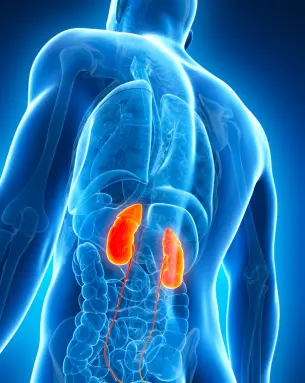
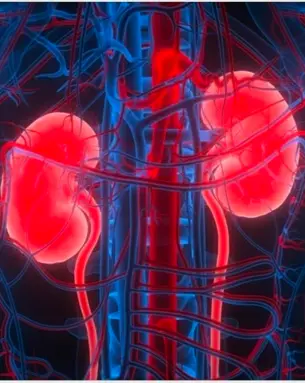
The kidneys, crucial organs in the human body, perform vital functions such as waste elimination, fluid balance regulation, and blood pressure control. Kidney diseases encompass a spectrum of conditions affecting these functions, including chronic kidney disease (CKD), glomerulonephritis, diabetic nephropathy, and polycystic kidney disease (PKD). CKD, characterized by a gradual decline in kidney function, often progresses to end-stage renal disease (ESRD), necessitating renal replacement therapy like dialysis or transplantation.
End-stage renal disease (ESRD) represents the terminal stage of kidney disease, where kidney function is severely impaired, requiring life-sustaining interventions. Renal transplantation, a surgical procedure involving the implantation of a healthy kidney from a donor, offers a definitive treatment for ESRD. This procedure provides a remarkable improvement in quality of life and long-term survival compared to dialysis, addressing both the physiological and psychological burdens of kidney failure. However, renal transplant recipients require lifelong immunosuppressive therapy to prevent rejection of the transplanted organ and manage associated complications.
Renal transplant, also known as kidney transplant, involves a surgical procedure performed nephrologist and renal transplant specialist to implant a donor kidney into the recipient's body. This procedure offers the prospect of improved quality of life and longevity compared to dialysis. It requires a rigorous evaluation process to assess compatibility between the donor and recipient, along with lifelong immunosuppressive therapy to prevent rejection of the transplanted organ. Overall, kidney transplant represents a significant advancement in nephrology, providing hope and better outcomes for individuals facing kidney failure.
Our Specialization

Nephrology

Kidney transplant Surgery
Our Healthcare Services
Comprehensive Renal Care and Solutions


Dr. Sanjiv Saxena
Nephrologist
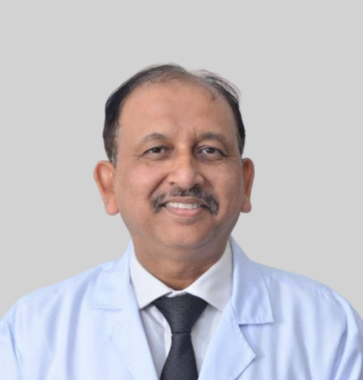
- MBBS, MD - Medicine and Surgery, DNB - Nephrology
- 34.0 Years Of Experience
- Licence No. DMC 7871
- Call
- Video Call
- In person
Testimonials
What our Patients says about us
I have not seen such a friendly doctor in my life of 59 years. He gives the patient enough time to understand the problem and to describe it patiently to the patient. The doctor is always available for his patients online for any help in emergencies.

Om Prakash
I visited Dr. Saxena for my dad's (age 71) treatment. As far as treatment is concerned, my dad is recovering very fast. The best thing I like about the doctor is his concern for the patient. The way he speaks and motivates his patients is really good. The other thing is no unnecessary Tests, Less medicines, He is accessible over phone anytime. Above all, he is a good human being. It is difficult to find a doctor like him in today's professional world.
Ram Lal Singh
I've been consulting Dr. Saxena for the last 5–6 years and was highly recommended by my cousin, who is also a doctor, and his colleague. My friend, who is also his patient, has highly recommended it, and I found it much better than what other people said. He is a very professional and honest doctor, and our whole family has very high regard for him.
Suriender S Chowdhary
Videos
Our Latest Videos
.png)

Media Pictures






Frequently Asked Questions
Know your doctor better
What are the benefits of kidney transplantation compared to dialysis?
Kidney transplantation offers several advantages over dialysis for patients with end-stage kidney disease, including improved quality of life, increased longevity, reduced dependence on dialysis treatments, and fewer dietary restrictions. Transplant recipients typically experience better kidney function, allowing for greater freedom and flexibility in daily activities. Additionally, kidney transplantation can alleviate symptoms associated with kidney failure, such as fatigue, fluid retention, and dietary restrictions, leading to an improved overall well-being. While transplantation carries some risks and requires lifelong medical management, it is considered the preferred treatment option for eligible candidates due to its superior outcomes and potential for long-term success. Transform your kidney health journey with the expertise of nephrologist Dr. Sanjiv Saxena, leading kidney specialist in New Delhi.
What is involved in the kidney transplant evaluation process?
The kidney transplant evaluation process involves a comprehensive assessment to determine if a patient is a suitable candidate for transplantation. This typically includes medical tests and screenings to evaluate overall health, compatibility with potential donors, assessment of kidney function, and identification of any underlying medical conditions that may affect transplant outcomes. Psychological and social evaluations may also be conducted to assess readiness for transplantation and support systems available to the patient post-transplant. The evaluation process aims to ensure the safety and success of the transplant procedure while optimizing long-term outcomes for the patient. Trust nephrologist Dr. Sanjiv Saxena, leading kidney specialist in New Delhi, for comprehensive treatment.
What are some common challenges faced by patients undergoing dialysis?
Patients undergoing dialysis may experience various challenges, including fatigue, changes in appetite, fluctuations in blood pressure, muscle cramps, sleep disturbances, and emotional stress. Adhering to a strict dietary regimen, managing fluid intake, scheduling dialysis sessions, and coping with the physical and emotional toll of kidney failure can be demanding. Additionally, dialysis treatment requires regular monitoring and adjustments to ensure optimal effectiveness and minimize complications. Healthcare providers work closely with patients to address these challenges, provide support, and optimize the dialysis treatment plan to improve quality of life and overall well-being. Transform your kidney health journey with the expertise of nephrologist Dr. Sanjiv Saxena, leading kidney specialist in New Delhi.
What are the different types of dialysis available for kidney failure patients?
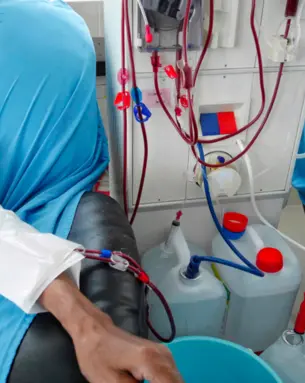
There are two primary types of dialysis: hemodialysis and peritoneal dialysis. Hemodialysis involves filtering the blood through a dialyzer machine to remove waste products and excess fluid, typically performed at a dialysis center several times a week. Peritoneal dialysis involves using the lining of the abdomen (peritoneum) as a natural filter by introducing a cleansing fluid into the abdomen, allowing waste products and excess fluid to be removed. Both types of dialysis are effective in managing kidney failure, and the choice between them depends on factors such as medical history, lifestyle, and patient preference. Ensure optimal kidney care in New Delhi by consulting nephrologist Dr. Sanjiv Saxena.
What are the potential complications of untreated nephrotic syndrome?
Untreated nephrotic syndrome can lead to various complications, including chronic kidney disease (CKD), kidney failure, blood clots (thrombosis) due to increased blood clotting factors in the blood, infections (such as peritonitis or cellulitis), malnutrition due to loss of essential proteins in the urine, and an increased risk of cardiovascular diseases. Early detection and appropriate management of nephrotic syndrome are essential for preventing complications and preserving kidney function. Regular monitoring by a healthcare professional, adherence to treatment plans, and lifestyle modifications can help individuals with nephrotic syndrome lead healthier lives and reduce the risk of complications. Transform your kidney health journey with the expertise of nephrologist Dr. Sanjiv Saxena, leading kidney specialist in New Delhi.
What are the common symptoms of nephrotic syndrome?
Nephrotic syndrome is characterized by a set of symptoms, including swelling (edema), particularly around the eyes, hands, feet, and abdomen, foamy urine (due to excess protein), weight gain due to fluid retention, and fatigue. These symptoms occur as a result of damage to the glomeruli, the tiny blood vessels in the kidneys responsible for filtering waste and excess fluids from the blood. If experiencing any of these symptoms, it's important to consult a healthcare professional for proper diagnosis and management of nephrotic syndrome. Explore innovative nephrology treatments in New Delhi with nephrologist Dr. Sanjiv Saxena.
What are some lifestyle changes recommended for managing hypertension and protecting kidney health?
Lifestyle modifications play a crucial role in managing hypertension and reducing the risk of kidney damage. These include adopting a healthy diet low in sodium and saturated fats, maintaining a healthy weight through regular exercise, limiting alcohol consumption, quitting smoking, managing stress effectively, and monitoring blood pressure regularly. Additionally, healthcare providers may recommend medications to control blood pressure levels within the target range and prevent further kidney damage. Following a comprehensive treatment plan tailored to individual needs can help individuals with hypertension maintain optimal kidney function and overall health. Take control of your kidney health with expert guidance from nephrologist Dr. Sanjiv Saxena in New Delhi.
How does hypertension affect kidney health?
Hypertension, or high blood pressure, can damage the blood vessels in the kidneys, leading to kidney disease or worsening existing kidney problems. When blood pressure is consistently high, it puts strain on the kidneys' delicate filtering units (nephrons), impairing their ability to function properly. Over time, this can result in decreased kidney function, fluid retention, electrolyte imbalances, and an increased risk of developing chronic kidney disease (CKD) or kidney failure. Managing hypertension through lifestyle changes and medication is essential for preserving kidney health and reducing the risk of complications. Opt for advanced nephrology solutions in New Delhi with nephrologist Dr. Sanjiv Saxena.
What are the risk factors for developing kidney diseases?
Several factors increase the risk of developing kidney diseases, including diabetes, high blood pressure, family history of kidney diseases, age (over 60 years), smoking, obesity, cardiovascular disease, and certain medications. Additionally, conditions such as autoimmune diseases, urinary tract infections, kidney stones, and prolonged use of nonsteroidal anti-inflammatory drugs (NSAIDs) can also contribute to kidney damage. Understanding these risk factors can help individuals take preventive measures and seek timely medical intervention to preserve kidney health. Schedule your visit to PSRI in New Delhi for expert nephrology care by nephrologist Dr. Sanjiv Saxena.
What are the common symptoms of kidney diseases?
Common symptoms of kidney diseases include fatigue, weakness, swelling in the ankles, feet, or hands (due to fluid retention), shortness of breath, persistent itching, changes in urination frequency or color (such as foamy or dark urine), and high blood pressure. However, symptoms may vary depending on the specific type and stage of the kidney disease. It's important to consult a healthcare professional if experiencing any of these symptoms for proper diagnosis and management. Trust nephrologist Dr. Sanjiv Saxena, leading kidney specialist in New Delhi, for comprehensive treatment.
What are some notable achievements of Dr. Sanjiv Saxena?
Dr. Sanjiv Saxena has received prestigious awards such as the Distinguished Service Award by the Geriatric Society of India and the Sir Dorabjee Tata Award for Biochemistry. He has authored over 15 publications, demonstrating his commitment to research and academic excellence in the field of nephrology. His significant contributions and leadership roles at esteemed institutions like AIIMS underscore his reputation as a renowned Nephrology Physician. Trust Dr. Sanjiv Saxena, leading nephrologist in New Delhi, for comprehensive treatment.
What are Dr. Sanjiv Saxena's areas of expertise?
Dr. Sanjiv Saxena specializes in Glomerular Diseases, Haemodialysis, and Precision Nephrology. With over 30 years of experience, he has garnered extensive expertise in managing various kidney-related conditions and providing advanced nephrological care. Consult Dr. Sanjiv Saxena, expert nephrologist in New Delhi, for personalized care.
What are Dr. Sanjiv Saxena's educational qualifications?
Dr. Sanjiv Saxena completed his MBBS, MD (General Medicine), and DNB (Nephrology) from the prestigious All India Institute of Medical Sciences (AIIMS), New Delhi. His extensive training at AIIMS equipped him with comprehensive knowledge and skills in nephrology, enabling him to provide advanced care to patients with kidney-related disorders. Additionally, Dr. Saxena has pursued a course in Nephrology from AIIMS, further enhancing his expertise in the field. His educational background from one of India's premier medical institutions reflects his dedication to academic excellence and commitment to delivering high-quality nephrological care. Book an appointment with renowned nephrologist Dr. Sanjiv Saxena in New Delhi!
Location & Location Map
 Address :Pushpawati Singhania Research Institute (PSRI Hospital), Press Enclave Marg, Sheikh Sarai Phase II, South Delhi 110017, Delhi Address :Nobal Medicare Specialist Polyclinic, C-2B/62A, Janakpuri, West Delhi 110058, Delhi


Working Hours
MONDAYClosed
TUESDAYClosed
WEDNESDAYClosed
THURSDAYClosed
FRIDAYClosed
SATURDAYClosed
SUNDAYClosed
Contact Us
What We Offer
Contact Us
- Email: drsanjivsaxena@rediffmail.com
- Phone: 9810139839
Social Media connect:


Website Powered by icareheal